

Embracing The Wholistic Farm Principles for Sustainable Living and Biodiversity
Sustainable farming is no longer a choice but a necessity. The Wholistic Farm approach offers a powerful way to nurture the land, support biodiversity, and build resilient communities. This method goes beyond traditional farming by integrating ecological, social, spiritual and economic factors into a single, balanced system. It creates farms that work with nature, not against it, producing healthy food while restoring the environment.
What Is The Wholistic Farm Approach?
The Wholistic Farm concept focuses on the farm as a liveing organism, made up of many interdependent elements: fields, forests, plants, animals, soils, compost, people and the spirit of the place. We work to harmonice these elements, managing them in a holistic and dynamic way to support the health and vitality of the whole. We listen to the land to sense what may want to emerge through it, as a unique individuality. This approach recognizes that soil health, water cycles, plant diversity, and animal welfare are interconnected.
Sustainable Farming Practices in our Farm
Sustainability is at the heart of our farm. Here are some common practices used:
Crop Rotation and Polyculture
Rotating crops and planting multiple species together prevents soil depletion and reduces pest outbreaks.
Composting
Composting farm waste returns nutrients to the soil and supports beneficial microbes. Our compost is enlivened with biodynamic preparations.
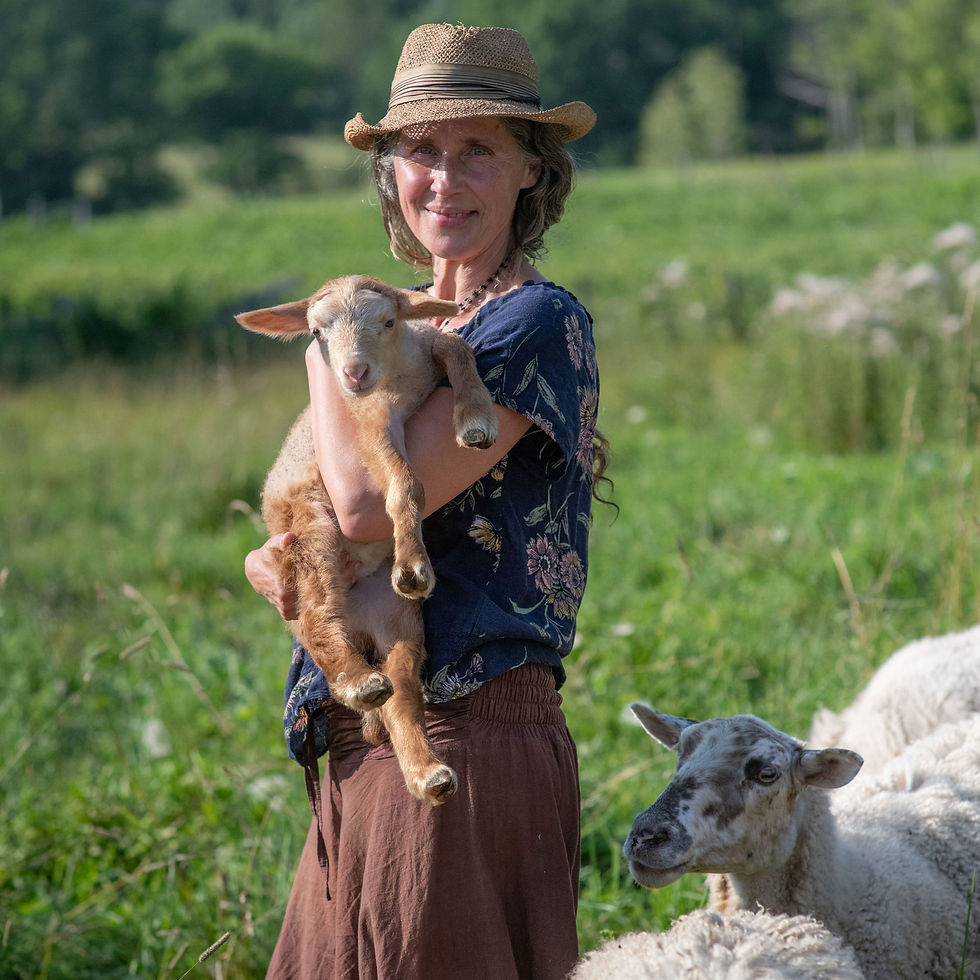
Bringing plants and animals together
Natural ecosystems include plants and animals, which work together to fill complementary roles in the web of life.
Integrated Pest Management (IPM)
We focus on creating the conditions for optimal soil, plant, and animal health, providing balanced nutrition and supporting healthy immunity. When farms and gardens incorporate a robust diversity of plants and animals and create habitat for natural predators, pests and diseases have few places to thrive. When a disease or pest presents itself, it is often pointing to an imbalance in the farm organism, and can be seen as nature’s way of trying to correct the imbalance. In the case of an outbreak, biological controls can be used, but we also try to discern the underlying imbalance and find ways to adjust management practices to bring the farm organism to greater health.
Cultivating biodiversity

Inspired by the biodiversity of natural ecosystems and the uniqueness of each landscape. Annual and perennial vegetables, herbs, flowers, berries, fruits, nuts, grains, pasture, forage, native plants, and pollinator hedgerows can all contribute to plant diversity, amplifying the health and resilience of the farm organism. Diversity in domestic animals is also beneficial, as each animal species brings a different relationship to the land and unique quality of manure.
Biodiversity is essential for ecosystem health and productivity. Wholistic farms encourage a wide range of plants, animals, and microorganisms.

A wholistic farm integrates grazing cattle to enhance soil fertility and biodiversity.
Benefits of a Wholistic Approach for Environment and Community
The wholistic farm model offers many advantages:
Improved Soil Quality
Healthy soil stores more carbon, retains water better, and supports robust plant growth.
Enhanced Biodiversity
Diverse species create a resilient ecosystem that resists pests and diseases.
Water Efficiency
Natural water management reduces erosion and conserves resources.
Reduced Chemical Use
Less reliance on synthetic fertilizers and pesticides protects wildlife and human health.
Stronger Local Economies
Wholistic farms often sell directly to consumers, supporting local food networks and creating jobs.
Community Well-being
These farms can serve as educational hubs, promoting sustainable living and food security.
Final Thoughts on Embracing The Wholistic Farm
Wholistic farming and in our case biodynamic farming invites us to develop a concious and creative conversation with Nature. By observing, sensing and listening to the land., we develop intimate relationships with our unique farm organisms and expand our capacities for perception, reflection and imagination. Cultivating awareness strengthens our ability to work creatively with the dynamis of the land and wider bioregion to bring the vibrancy of the farm organism to full expresion.


Very nice and informative blog post! ❤️👍🏼
Sonia is such a tremendous role model!